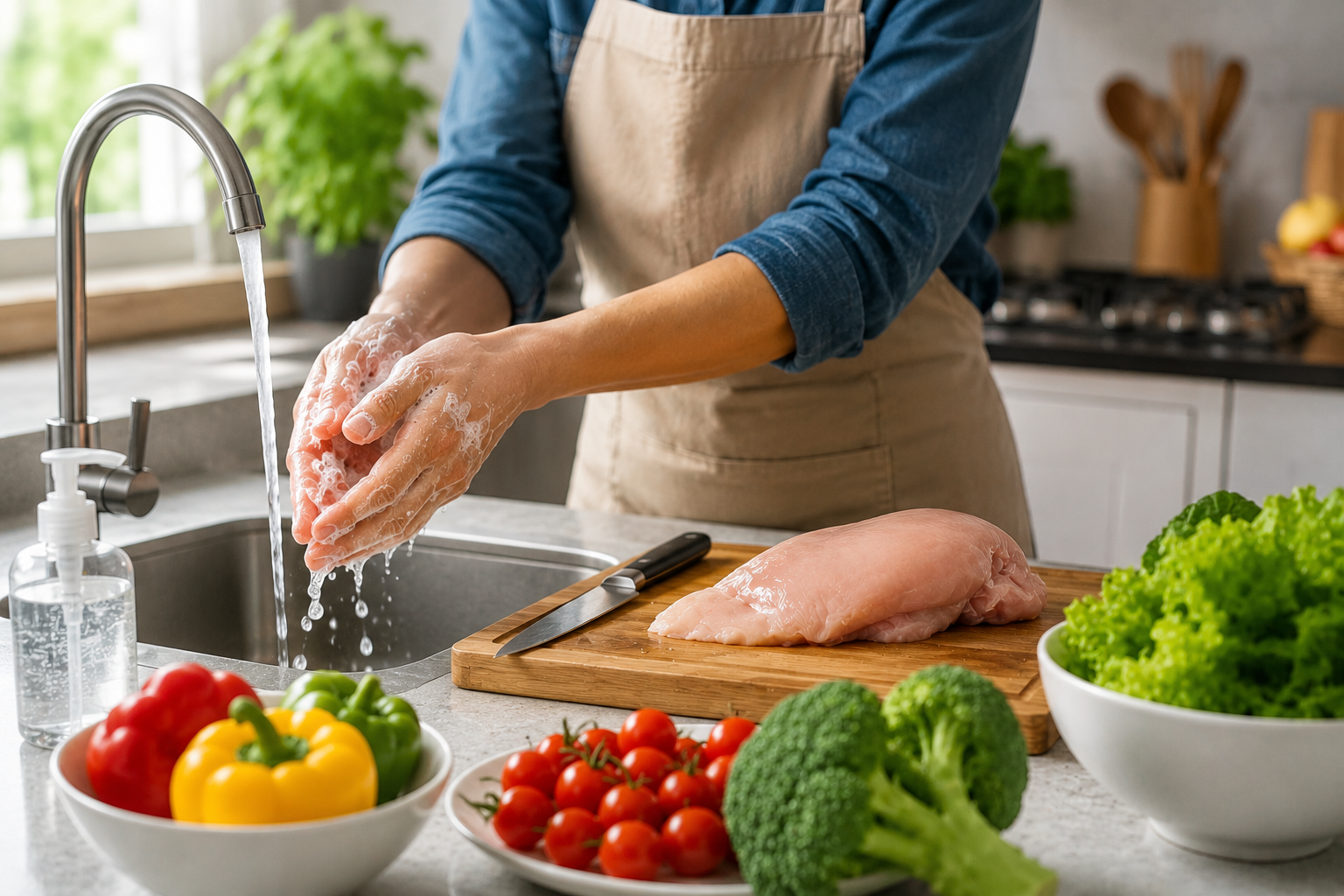
Every year, millions of people experience foodborne illnesses, often from meals prepared at home, yet many of these cases could be prevented with a few simple food safety practices. Whether you're cooking for your family, meal prepping for the week, or just packing a lunch, understanding the basics of safe food handling can make a big difference in keeping everyone healthy. From washing your hands to storing leftovers properly, small steps can significantly reduce the risk of contamination and illness, giving you peace of mind every time you step into the kitchen.
What Is Food Safety and Why Does It Matter?
Food safety refers to the practices and conditions that preserve the quality of food to prevent contamination and foodborne illnesses, which can range from mild stomach upset to severe, life threatening conditions. Bacteria, viruses, parasites, and chemicals can all contaminate food, often without any visible signs, making it crucial to handle, store, and cook food properly. The good news is that most foodborne illnesses are preventable with basic hygiene and safe food practices, which is why understanding these principles is essential for everyone, not just professional chefs or food handlers.
At home, food safety starts with cleanliness and awareness, as many common kitchen habits can unknowingly spread harmful germs. For example, using the same cutting board for raw chicken and vegetables without washing it in between can transfer bacteria like Salmonella, while leaving perishable foods out too long can allow bacteria to multiply rapidly. By adopting a few key habits, you can create a safer kitchen environment and reduce the risk of illness for yourself and your loved ones.
Common Food Safety Risks and How to Avoid Them
One of the most frequent causes of foodborne illness is cross contamination, which occurs when harmful bacteria or viruses spread from one surface or food to another. This can happen in several ways, such as using the same utensils or cutting boards for raw meat and ready to eat foods, or even touching raw food and then handling other ingredients without washing your hands. To prevent cross contamination, always use separate cutting boards for raw meats and produce, wash your hands thoroughly with soap and warm water for at least 20 seconds before and after handling food, and sanitize kitchen surfaces and utensils regularly.
Another major risk is improper food storage, which can allow bacteria to grow to dangerous levels. Perishable foods like meat, dairy, and cooked leftovers should be refrigerated within two hours of cooking or purchasing, and even sooner if the room temperature is above 90°F (32°C). Keep your refrigerator at or below 40°F (4°C) and your freezer at 0°F ( 18°C) to slow bacterial growth, and store raw meats on the bottom shelf to prevent their juices from dripping onto other foods. Additionally, pay attention to expiration dates and use the
Key Takeaways
Frequently Asked Questions
Medical Review: MedSense Editorial Board
DISCUSSION (0)
POST A COMMENT