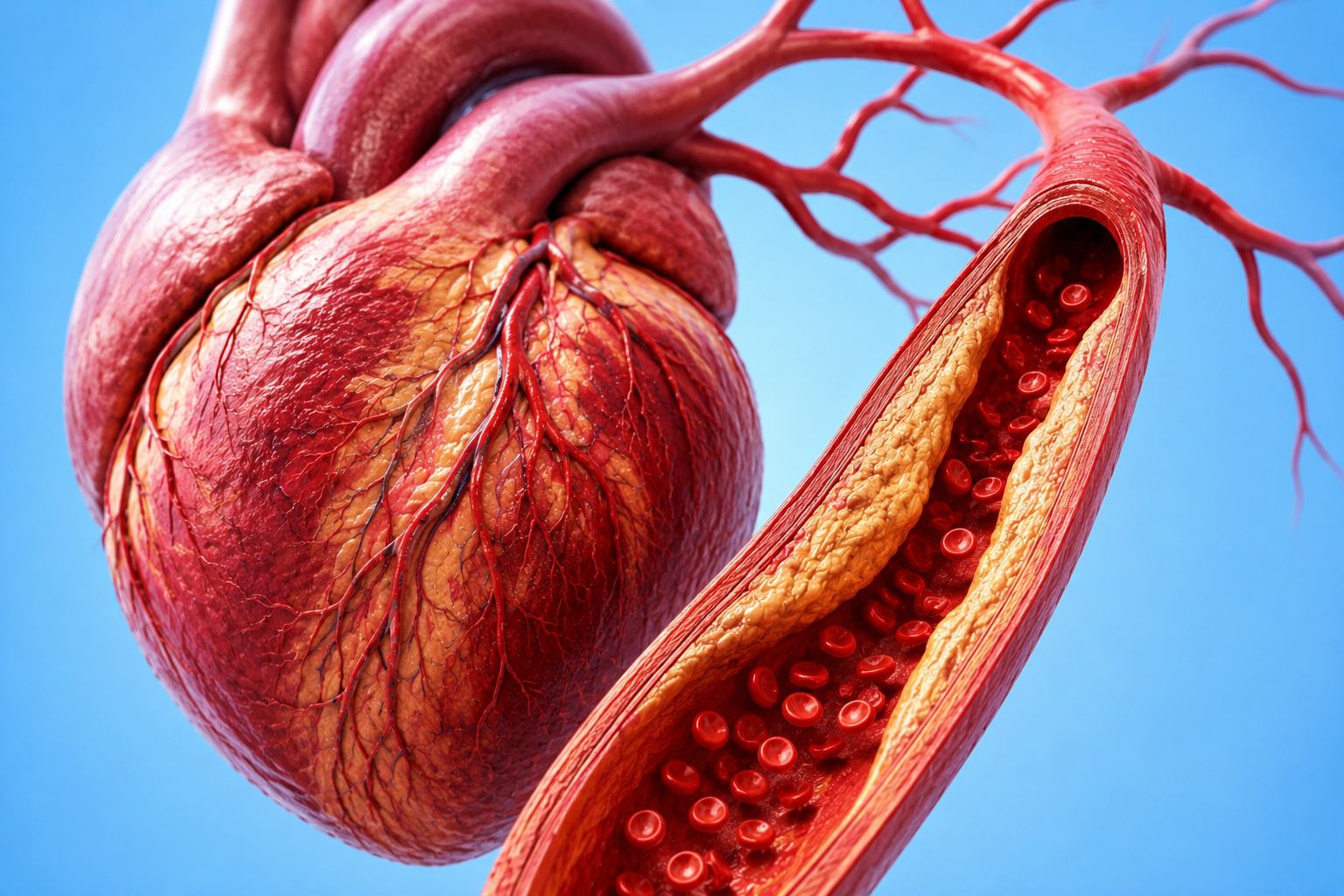
What Is Coronary Artery Disease?
Coronary artery disease, often abbreviated as CAD, is a condition that occurs when the coronary arteries, the blood vessels that supply oxygen rich blood to the heart muscle, become narrowed or blocked. This narrowing is usually caused by a buildup of fatty deposits called plaque, a process known as atherosclerosis. Over time, plaque can harden or rupture, reducing blood flow to the heart and increasing the risk of serious events like heart attacks.
CAD is the most common type of heart disease and a leading cause of death worldwide. However, it often develops gradually over many years, which means there are opportunities to detect it early and take steps to manage or even reverse its progression. The condition doesn’t always cause noticeable symptoms in its early stages, which is why it’s sometimes called a "silent" threat. But as it advances, it can lead to chest pain (angina), shortness of breath, fatigue, and in severe cases, a heart attack.
Why Does Coronary Artery Disease Matter?
Coronary artery disease matters because it directly affects the heart’s ability to function properly. When blood flow to the heart is restricted, the heart muscle doesn’t get the oxygen it needs, which can weaken the heart over time. This can lead to complications such as heart failure, where the heart can’t pump blood effectively, or arrhythmias, which are irregular heartbeats that can be life threatening.
Beyond the physical toll, CAD can also impact your quality of life. Symptoms like chest pain or fatigue can limit your ability to perform daily activities, exercise, or even enjoy hobbies. The emotional and mental strain of living with a chronic condition can also take a toll, leading to stress, anxiety, or depression. The good news is that CAD is manageable, and many people live full, active lives with the right treatment and lifestyle changes.
Who Is at Risk for Coronary Artery Disease?
Coronary artery disease can affect anyone, but certain factors increase the likelihood of developing it. Some risk factors are beyond your control, such as age, gender, and family history. For example, men are generally at higher risk than women, though the risk for women increases after menopause. A family history of heart disease, especially if a close relative developed CAD at a young age, also raises your risk.
Other risk factors are influenced by lifestyle and can often be modified. These include smoking, high blood pressure, high cholesterol, diabetes, obesity, and physical inactivity. Poor diet, excessive alcohol consumption, and chronic stress can also contribute to the development of CAD. The more risk factors you have, the greater your chances of developing the condition, but the good news is that addressing even one or two of these factors can significantly lower your risk.
Recognizing the Symptoms of Coronary Artery Disease
In its early stages, coronary artery disease may not cause any symptoms. However, as the condition progresses, you may start to notice warning signs. The most common symptom is angina, which is chest pain or discomfort that occurs when the heart muscle isn’t getting enough oxygen rich blood. Angina can feel like pressure, squeezing, heaviness, or tightness in the chest, and it may spread to the arms, neck, jaw, shoulder, or back. It’s often triggered by physical activity or stress and usually goes away with rest.
Other symptoms of CAD can include shortness of breath, especially during exertion, fatigue, dizziness, or nausea. Some people, particularly women, older adults, and people with diabetes, may experience atypical symptoms like indigestion, heartburn, or discomfort in the upper abdomen. In severe cases, CAD can lead to a heart attack, which is a medical emergency. Symptoms of a heart attack include intense chest pain, sweating, shortness of breath, and pain radiating to the arm, neck, or jaw. If you or someone else experiences these symptoms, seek emergency medical care immediately.
How Is Coronary Artery Disease Diagnosed?
Diagnosing coronary artery disease typically involves a combination of medical history, physical exams, and diagnostic tests. Your doctor will start by asking about your symptoms, risk factors, and family history of heart disease. They may also perform a physical exam to check for signs like high blood pressure, abnormal heart sounds, or fluid retention.
Several tests can help confirm a diagnosis of CAD. An electrocardiogram (ECG or EKG) records the electrical activity of your heart and can detect irregularities caused by reduced blood flow. A stress test, which involves exercising on a treadmill while your heart is monitored, can reveal how well your heart handles physical activity. Imaging tests like an echocardiogram, which uses sound waves to create pictures of your heart, or a coronary angiogram, which uses dye and X rays to visualize the arteries, can provide more detailed information about the condition of your heart and blood vessels.
Treatment and Management Options
Treatment for coronary artery disease focuses on relieving symptoms, slowing or reversing the progression of the disease, and reducing the risk of complications like heart attacks. The approach to treatment depends on the severity of the condition and may include lifestyle changes, medications, or medical procedures.
Lifestyle changes are the foundation of CAD management. Eating a heart healthy diet rich in fruits, vegetables, whole grains, lean proteins, and healthy fats can help lower cholesterol and blood pressure. Regular physical activity, such as walking, swimming, or cycling, strengthens the heart and improves circulation. Quitting smoking, limiting alcohol, and managing stress are also critical steps in protecting your heart.
Medications may be prescribed to control symptoms and reduce risk factors. These can include statins to lower cholesterol, beta blockers or calcium channel blockers to reduce blood pressure and relieve angina, and blood thinners like aspirin to prevent blood clots. In more severe cases, medical procedures such as angioplasty, where a small balloon is used to open a blocked artery, or coronary artery bypass grafting (CABG), where a surgeon creates a new pathway for blood to flow around a blockage, may be necessary.
Preventing Coronary Artery Disease
Preventing coronary artery disease starts with adopting a heart healthy lifestyle. Even if you have risk factors you can’t change, like family history or age, making positive changes in other areas can significantly reduce your risk. Start by focusing on your diet: aim to eat more whole foods like fruits, vegetables, and whole grains, and limit processed foods, sugary drinks, and foods high in saturated or trans fats. The Mediterranean diet, which emphasizes healthy fats like olive oil, nuts, and fish, is often recommended for heart health.
Regular exercise is another key component of prevention. The American Heart Association recommends at least 150 minutes of moderate intensity aerobic activity, like brisk walking, or 75 minutes of vigorous activity, like running, each week. Strength training exercises, such as lifting weights or using resistance bands, can also help improve heart health. Additionally, maintaining a healthy weight, managing stress through techniques like meditation or yoga, and getting enough sleep are all important for keeping your heart strong.
If you smoke, quitting is one of the best things you can do for your heart. Smoking damages the blood vessels, increases blood pressure, and raises the risk of plaque buildup in the arteries. Within just a few years of quitting, your risk of heart disease drops significantly. If you need help quitting, talk to your doctor about strategies or programs that can support you.
When to Seek Medical Care
It’s important to seek medical care if you experience any symptoms of coronary artery disease, such as chest pain, shortness of breath, or unexplained fatigue. Even if your symptoms seem mild, they could be a sign of a serious underlying condition. Early diagnosis and treatment can help prevent complications and improve your long term outlook.
You should also see a doctor if you have risk factors for CAD, such as high blood pressure, high cholesterol, diabetes, or a family history of heart disease. Regular check ups can help monitor your heart health and catch any potential issues early. If you’re over 40 or have multiple risk factors, your doctor may recommend more frequent screenings or tests to assess your heart health.
In an emergency, such as symptoms of a heart attack, call emergency services immediately. Time is critical when it comes to treating a heart attack, and getting prompt medical care can save lives and reduce damage to the heart muscle.
What Experts Recommend
Experts agree that the best way to manage and prevent coronary artery disease is through a combination of healthy lifestyle choices and regular medical care. The American Heart Association and other health organizations emphasize the importance of knowing your risk factors, getting regular check ups, and taking proactive steps to protect your heart. They also recommend staying informed about heart health and working with your healthcare team to create a personalized plan for prevention or management.
For those already diagnosed with CAD, experts stress the importance of adhering to treatment plans, including taking medications as prescribed and making recommended lifestyle changes. Support from family, friends, or support groups can also make a big difference in managing the condition and maintaining a positive outlook. Remember, coronary artery disease is a chronic condition, but with the right care and habits, it’s possible to live a long, healthy life.
Key Takeaways
- Coronary artery disease (CAD) occurs when the arteries that supply blood to the heart become narrowed or blocked due to plaque buildup, leading to reduced blood flow and potential complications like heart attacks.
- CAD is the most common type of heart disease and a leading cause of death, but it often develops gradually, allowing for early detection and management.
- Risk factors for CAD include age, gender, family history, smoking, high blood pressure, high cholesterol, diabetes, obesity, and physical inactivity. Many of these can be modified through lifestyle changes.
- Symptoms of CAD may include chest pain (angina), shortness of breath, fatigue, and in severe cases, heart attack. Some people, especially women and older adults, may experience atypical symptoms.
- Diagnosis involves medical history, physical exams, and tests like ECGs, stress tests, echocardiograms, or angiograms to assess heart health and blood flow.
- Treatment focuses on relieving symptoms, slowing disease progression, and reducing complications through lifestyle changes, medications, or procedures like angioplasty or bypass surgery.
- Prevention includes eating a heart healthy diet, exercising regularly, maintaining a healthy weight, quitting smoking, managing stress, and getting regular check ups to monitor heart health.
- Seek medical care if you experience symptoms of CAD or have risk factors. In emergencies like a heart attack, call for help immediately, timely treatment can save lives.
Frequently Asked Questions
What is the main cause of coronary artery disease?
The main cause of coronary artery disease is atherosclerosis, a process where fatty deposits called plaque build up inside the coronary arteries. This buildup narrows the arteries, reducing blood flow to the heart muscle and increasing the risk of complications like heart attacks.
Can coronary artery disease be reversed?
While coronary artery disease cannot be completely reversed, its progression can often be slowed or even partially reversed with lifestyle changes and medical treatment. Eating a heart healthy diet, exercising regularly, quitting smoking, and taking prescribed medications can improve blood flow and reduce plaque buildup over time.
What are the warning signs of a heart attack?
Warning signs of a heart attack include intense chest pain or discomfort, shortness of breath, sweating, nausea, lightheadedness, and pain or discomfort in the arms, neck, jaw, shoulder, or back. Women and older adults may experience atypical symptoms like indigestion or upper abdominal pain. If you suspect a heart attack, seek emergency medical care immediately.
How is coronary artery disease different from a heart attack?
Coronary artery disease is a chronic condition where the coronary arteries become narrowed or blocked over time, reducing blood flow to the heart. A heart attack, on the other hand, is a sudden event that occurs when blood flow to a part of the heart is completely blocked, usually by a blood clot. CAD increases the risk of a heart attack, but not everyone with CAD will have one.
What foods should I avoid if I have coronary artery disease?
If you have coronary artery disease, it’s best to avoid or limit foods high in saturated fats, trans fats, and cholesterol, such as fried foods, processed meats, full fat dairy products, and baked goods made with hydrogenated oils. You should also reduce your intake of sugary foods and drinks, refined carbohydrates, and excessive salt, which can contribute to high blood pressure and weight gain.
Is exercise safe for people with coronary artery disease?
Yes, exercise is generally safe and beneficial for people with coronary artery disease, but it’s important to start slowly and follow your doctor’s recommendations. Regular physical activity strengthens the heart, improves circulation, and helps manage risk factors like high blood pressure and cholesterol. Your doctor may recommend a supervised cardiac rehabilitation program to help you exercise safely.
Medical Review: MedSense Editorial Board
DISCUSSION (0)
POST A COMMENT