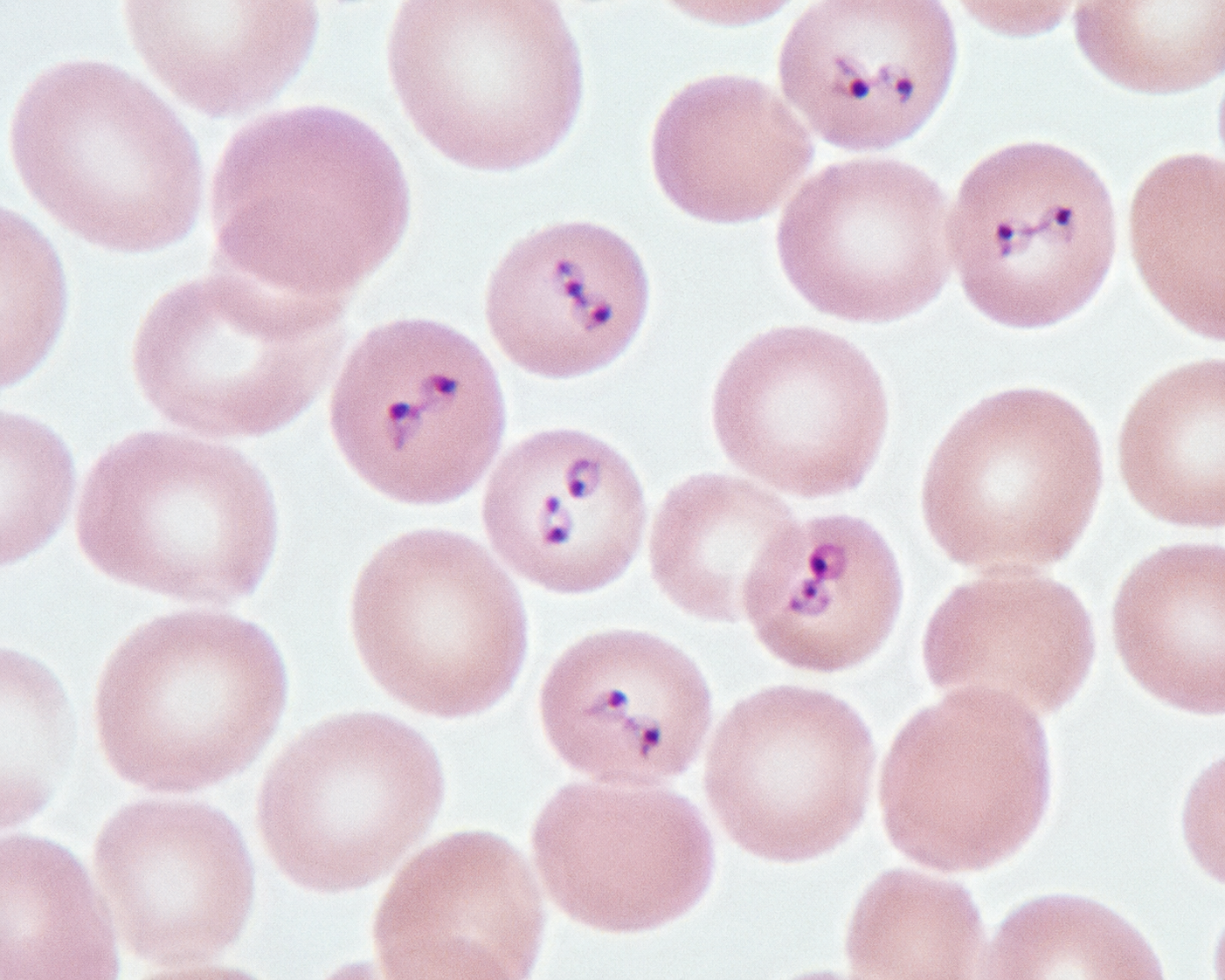
What Is Babesiosis?
Babesiosis is an infectious disease caused by parasites of the genus Babesia. These parasites are transmitted to humans primarily through the bite of infected blacklegged ticks, also known as deer ticks. The most common species causing babesiosis in the United States is Babesia microti, though other species can also lead to infection. Once inside the body, the parasites invade red blood cells, where they multiply and eventually cause the cells to rupture. This process can lead to anemia, a condition characterized by a lower than normal number of red blood cells, as well as other complications.
While babesiosis is often compared to Lyme disease because they share the same tick vector, the two illnesses are caused by different types of pathogens. Lyme disease is caused by bacteria, whereas babesiosis is caused by parasites. This distinction is important because it influences how the disease is diagnosed and treated. Babesiosis can range from a mild, self limiting illness to a severe, life threatening condition, particularly in individuals with weakened immune systems or other underlying health issues.
Why Does Babesiosis Matter?
Babesiosis is a growing public health concern, particularly in regions where blacklegged ticks are prevalent. The Centers for Disease Control and Prevention (CDC) reports that cases of babesiosis have been increasing in the United States, with the highest concentrations in the Northeast and upper Midwest. While many people who contract babesiosis may not experience symptoms, others can develop severe illness, especially those who are older, immunocompromised, or have had their spleen removed. Severe cases can lead to complications such as low blood pressure, severe hemolytic anemia, kidney failure, or even death.
Beyond its direct health impacts, babesiosis also matters because it can be transmitted through blood transfusions. The parasites can survive in donated blood, and there have been documented cases of babesiosis spreading this way. This has led to increased screening measures for blood donations in areas where the disease is more common. Additionally, babesiosis can co occur with other tick borne illnesses, such as Lyme disease or anaplasmosis, which can complicate diagnosis and treatment. Recognizing the signs of babesiosis and understanding its risks can help individuals seek prompt medical attention and reduce the likelihood of severe outcomes.
Who Is at Risk for Babesiosis?
Anyone can contract babesiosis if they are bitten by an infected tick, but certain groups are at higher risk for severe illness. People who spend a lot of time outdoors in areas where blacklegged ticks are common, such as wooded or grassy regions, are more likely to encounter these ticks. This includes hikers, campers, gardeners, and outdoor workers. The risk of infection is also higher during the warmer months, when ticks are most active, typically from spring through fall.
Individuals with weakened immune systems are particularly vulnerable to severe babesiosis. This includes people with conditions such as HIV/AIDS, cancer, or those taking immunosuppressive medications. Additionally, people who have had their spleen removed are at greater risk because the spleen plays a key role in filtering out infected red blood cells. Older adults, particularly those over the age of 50, are also more likely to experience severe symptoms if they contract babesiosis. While children can also become infected, they often experience milder symptoms compared to adults.
Symptoms of Babesiosis
Symptoms of babesiosis can vary widely, ranging from none at all to severe and life threatening. Many people who are infected may not realize they have the disease because they do not develop any noticeable symptoms. When symptoms do occur, they typically appear within one to nine weeks after being bitten by an infected tick. The most common symptoms include fever, chills, sweats, headache, body aches, fatigue, and loss of appetite. These symptoms can easily be mistaken for the flu or other common illnesses, which is why babesiosis is often underdiagnosed.
In more severe cases, babesiosis can cause hemolytic anemia, a condition in which red blood cells are destroyed faster than they can be replaced. This can lead to symptoms such as jaundice (yellowing of the skin and eyes), dark urine, and extreme fatigue. Other serious complications may include low blood pressure, liver or kidney failure, and acute respiratory distress syndrome (ARDS). If you experience any of these severe symptoms, especially after spending time in an area where ticks are common, it is important to seek medical attention immediately.
Diagnosis and Treatment
Diagnosing babesiosis can be challenging because its symptoms often overlap with those of other illnesses. If your healthcare provider suspects babesiosis, they will likely order blood tests to look for the presence of Babesia parasites. The most common diagnostic test is a blood smear, where a sample of your blood is examined under a microscope for the parasites. Other tests, such as polymerase chain reaction (PCR) testing or antibody tests, may also be used to confirm the diagnosis.
Treatment for babesiosis depends on the severity of the infection. Mild cases may not require treatment, as the body can sometimes clear the infection on its own. However, for more severe cases or for individuals at higher risk of complications, treatment typically involves a combination of antiparasitic medications. The most commonly used medications are atovaquone and azithromycin, or clindamycin and quinine. These medications are usually taken for 7 to 10 days, though the duration may be longer for severe infections. In some cases, hospitalization may be necessary to manage complications such as severe anemia or organ failure.
Preventing Babesiosis
Preventing babesiosis primarily involves reducing your risk of tick bites. Since blacklegged ticks are the primary carriers of Babesia parasites, taking steps to avoid tick exposure is the most effective way to protect yourself. When spending time outdoors in areas where ticks are common, wear long sleeves and pants, and tuck your pants into your socks to create a barrier. Use insect repellents that contain at least 20% DEET, picaridin, or IR3535 on exposed skin, and treat clothing and gear with permethrin, a repellent that kills ticks on contact.
After spending time outdoors, check your body thoroughly for ticks. Pay close attention to areas such as the scalp, behind the ears, under the arms, around the waist, and behind the knees. Showering within two hours of coming indoors can also help wash off any unattached ticks. If you find a tick attached to your skin, remove it promptly using fine tipped tweezers. Grasp the tick as close to the skin as possible and pull upward with steady, even pressure. Avoid twisting or jerking the tick, as this can cause the mouthparts to break off and remain in the skin. After removing the tick, clean the bite area with rubbing alcohol or soap and water.
If you live in an area where babesiosis is common, consider taking additional precautions to reduce tick populations around your home. Keep your lawn mowed, remove leaf litter and brush, and create a tick safe zone by placing wood chips or gravel between lawns and wooded areas. You can also treat your yard with acaricides, which are pesticides that kill ticks, though this should be done by a professional pest control service.
When to Seek Medical Care
If you develop symptoms of babesiosis, such as fever, chills, fatigue, or body aches, especially after being bitten by a tick or spending time in an area where ticks are common, it is important to seek medical care. Early diagnosis and treatment can help prevent complications and reduce the severity of the illness. Be sure to tell your healthcare provider about any recent tick bites or outdoor activities that may have put you at risk for tick exposure.
Seek immediate medical attention if you experience severe symptoms, such as difficulty breathing, chest pain, confusion, or extreme fatigue. These could be signs of a serious complication, such as severe anemia or organ failure, which require prompt treatment. Individuals with weakened immune systems, those who have had their spleen removed, or older adults should be particularly vigilant about monitoring for symptoms and seeking care if they suspect an infection.
What Experts Recommend
Health experts emphasize the importance of tick bite prevention as the first line of defense against babesiosis. The CDC recommends using EPA registered insect repellents, wearing protective clothing, and performing regular tick checks after spending time outdoors. They also advise treating clothing and gear with permethrin to enhance protection. For individuals living in or traveling to areas where babesiosis is common, staying informed about local tick activity and disease risk is crucial.
Experts also highlight the need for increased awareness among healthcare providers, particularly in regions where babesiosis is emerging. Early recognition of symptoms and appropriate diagnostic testing can lead to timely treatment and better outcomes. Additionally, public health agencies are working to improve blood donation screening in high risk areas to prevent transfusion transmitted babesiosis. By taking proactive steps to prevent tick bites and staying informed about the disease, individuals can reduce their risk of infection and contribute to broader public health efforts.
Key Takeaways
- Babesiosis is a tick borne illness caused by parasites that infect red blood cells, primarily spread through the bite of infected blacklegged ticks.
- Symptoms can range from mild flu like illness to severe complications, such as hemolytic anemia, particularly in older adults or those with weakened immune systems.
- Diagnosis involves blood tests, and treatment typically includes antiparasitic medications for severe cases or high risk individuals.
- Prevention focuses on avoiding tick bites through protective clothing, insect repellents, and thorough tick checks after outdoor activities.
- Seek medical care if you develop symptoms after a tick bite or outdoor exposure, especially if you experience severe symptoms like difficulty breathing or extreme fatigue.
Frequently Asked Questions
Can babesiosis be spread from person to person?
Babesiosis is not typically spread from person to person through casual contact. However, it can be transmitted through blood transfusions or from an infected mother to her baby during pregnancy or childbirth. There is no evidence that babesiosis can be spread through breastfeeding, kissing, or other forms of close contact.
How long does it take for symptoms of babesiosis to appear?
Symptoms of babesiosis usually appear within one to nine weeks after being bitten by an infected tick. However, some people may not develop symptoms for several months, and others may never experience any noticeable symptoms at all.
Is there a vaccine for babesiosis?
Currently, there is no vaccine available for babesiosis. The best way to prevent infection is to avoid tick bites by using insect repellents, wearing protective clothing, and performing regular tick checks after spending time outdoors.
Can babesiosis be cured?
Yes, babesiosis can be cured with appropriate treatment. Mild cases may resolve on their own without treatment, while more severe cases typically require antiparasitic medications. Early diagnosis and treatment can help prevent complications and improve outcomes.
What should I do if I find a tick on my skin?
If you find a tick attached to your skin, remove it promptly using fine tipped tweezers. Grasp the tick as close to the skin as possible and pull upward with steady, even pressure. Avoid twisting or jerking the tick, as this can cause the mouthparts to break off and remain in the skin. After removing the tick, clean the bite area with rubbing alcohol or soap and water. Monitor the area for signs of infection or symptoms of tick borne illness, and seek medical care if you develop a fever, rash, or other concerning symptoms.
Medical Review: MedSense Editorial Board
DISCUSSION (0)
POST A COMMENT