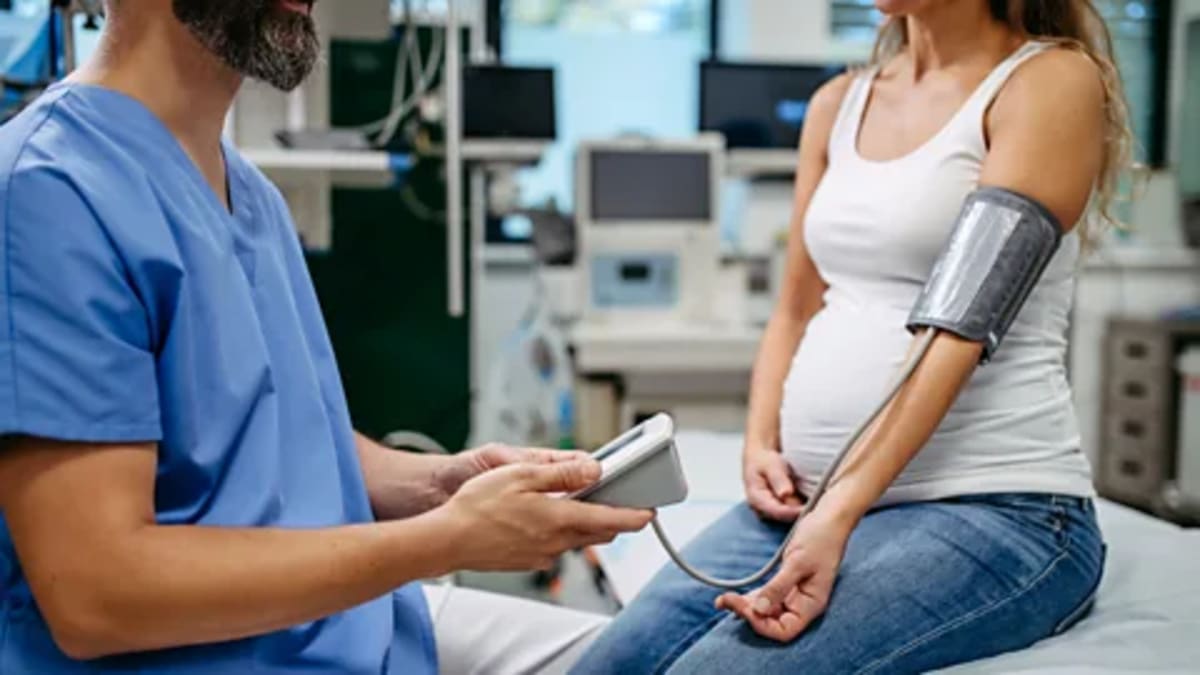
Every year, pre eclampsia claims the lives of more than 70,000 women globally, making it one of the most lethal complications of pregnancy. Now, researchers have identified a promising new treatment that could dramatically reduce maternal mortality rates. The discovery, still in early stages, targets the underlying mechanisms of the condition, offering hope to millions of expectant mothers at risk. With pre eclampsia responsible for nearly 15% of all maternal deaths, this breakthrough could mark a turning point in prenatal care and global health equity.
Clinical Significance
Pre eclampsia is a hypertensive disorder that typically emerges after the 20th week of pregnancy, characterized by high blood pressure and often damage to organs such as the liver and kidneys. It affects approximately 5 to 8% of pregnancies worldwide and remains a leading cause of preterm birth, stillbirth, and maternal death. Current management strategies focus on monitoring and early delivery, which, while life saving, often result in complications for the newborn due to prematurity.
The new treatment under investigation aims to address the root cause of pre eclampsia rather than merely managing its symptoms. Early research suggests it could stabilize blood pressure and reduce organ damage, potentially allowing pregnancies to continue safely to full term. If validated in larger clinical trials, this approach could redefine prenatal care protocols and reduce the need for early, high risk deliveries.
Deep Dive and Research Findings
While the exact details of the treatment remain under wraps pending peer review, preliminary findings indicate it targets the imbalance of angiogenic factors, a key driver of pre eclampsia. These factors, which regulate blood vessel formation, are often disrupted in affected pregnancies, leading to poor placental development and systemic inflammation. By restoring this balance, the treatment may prevent the cascade of events that culminate in organ damage and fetal distress.
Researchers emphasize that the treatment is not a cure but a potential game changer in managing high risk pregnancies. It could be particularly impactful in low resource settings, where access to emergency obstetric care is limited and maternal mortality rates are highest. However, experts caution that further studies are needed to confirm its safety and efficacy across diverse populations.
Future Outlook and Medical Implications
The next phase of research will involve large scale clinical trials to assess the treatment’s effectiveness and long term outcomes for both mothers and infants. If successful, it could be integrated into prenatal care guidelines within the next five to ten years. Regulatory agencies, including the FDA and EMA, are likely to prioritize its review given the urgent global need for better pre eclampsia interventions.
Beyond its immediate clinical applications, this research could spur further innovation in maternal fetal medicine. Scientists are already exploring whether similar approaches could be adapted to treat other pregnancy related complications, such as gestational diabetes or intrauterine growth restriction. The potential ripple effects of this discovery extend far beyond pre eclampsia, offering a blueprint for tackling other high risk conditions in obstetrics.
Patient or Practitioner Guidance
For expectant mothers, particularly those with risk factors such as a history of pre eclampsia, chronic hypertension, or diabetes, this news underscores the importance of early and consistent prenatal care. While the treatment is not yet available, women at risk should work closely with their healthcare providers to monitor blood pressure, proteinuria, and other warning signs of pre eclampsia. Lifestyle modifications, including a balanced diet, regular exercise, and stress management, can also play a role in reducing risk.
Healthcare practitioners are advised to stay informed about emerging research in this area. As new treatments progress through clinical trials, updated guidelines will be essential to ensure safe and equitable implementation. In the meantime, clinicians should continue to prioritize early detection and multidisciplinary care for patients with suspected or confirmed pre eclampsia, involving obstetricians, neonatologists, and critical care specialists as needed.
Key Takeaways
- Pre eclampsia is a leading cause of maternal and fetal mortality, affecting 5 to 8% of pregnancies globally.
- A new treatment targeting the root causes of pre eclampsia could reduce the need for early, high risk deliveries.
- Early research suggests the treatment may stabilize blood pressure and prevent organ damage, but larger trials are needed.
- If successful, the treatment could transform prenatal care, particularly in low resource settings with high maternal mortality rates.
- Expectant mothers at risk should prioritize regular prenatal care and monitor for symptoms such as high blood pressure and proteinuria.
Frequently Asked Questions
What is pre eclampsia, and who is at risk?
Pre eclampsia is a pregnancy related condition characterized by high blood pressure and often damage to organs like the liver and kidneys. It typically occurs after the 20th week of pregnancy. Women with a history of pre eclampsia, chronic hypertension, diabetes, obesity, or those carrying multiples are at higher risk.
What are the symptoms of pre eclampsia?
Common symptoms include severe headaches, vision changes, upper abdominal pain, nausea, sudden weight gain, and swelling in the hands and face. However, some women may not experience noticeable symptoms, making regular prenatal check ups critical.
How is pre eclampsia currently treated?
Current treatment focuses on managing symptoms and preventing complications. This may include blood pressure medications, bed rest, and, in severe cases, early delivery of the baby. The new treatment under investigation aims to address the underlying causes of the condition.
When might the new treatment become available?
The treatment is still in the research phase, with large scale clinical trials needed to confirm its safety and effectiveness. If successful, it could take several years before it is widely available to patients.
What can pregnant women do to reduce their risk of pre eclampsia?
While not all cases can be prevented, women can reduce their risk by attending regular prenatal visits, monitoring blood pressure, maintaining a healthy diet, staying physically active, and managing chronic conditions like diabetes or hypertension.
Medical Review: MedSense Editorial Board








DISCUSSION (0)
POST A COMMENT